How Volunteering Shapes Stronger Schools and Youth Development Programs


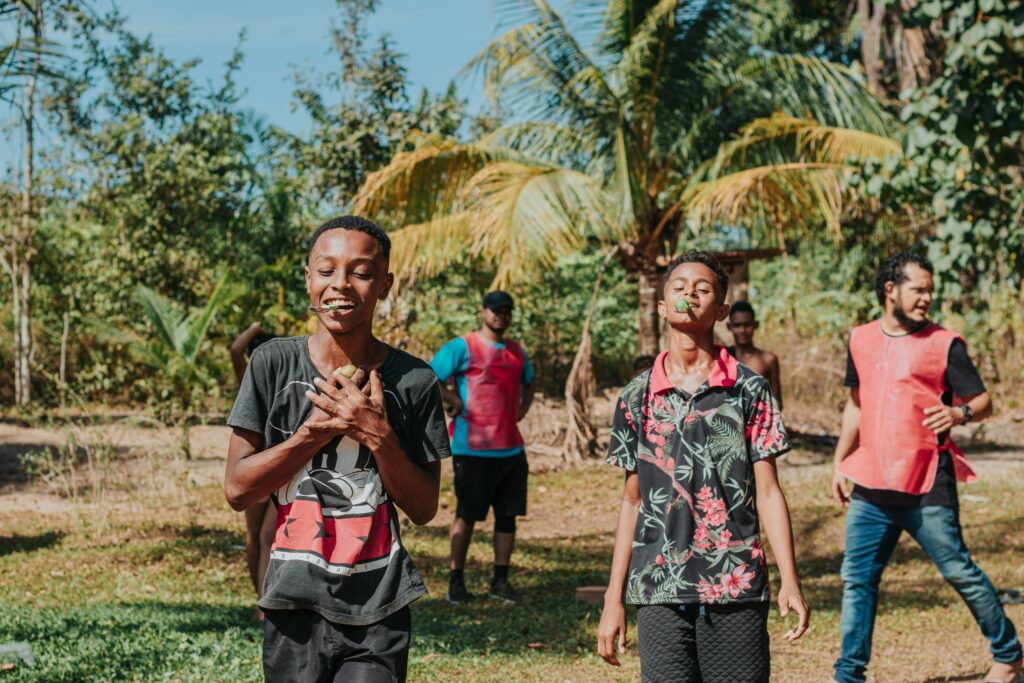
Volunteers play an important role in strengthening local education by supporting classroom activities and assisting teachers. When schools bring in volunteers, they often gain extra hands that help students receive more individual attention. Moreover, this support allows educators to focus more on instruction and less on administrative tasks. As a result, classrooms often become more efficient and more engaging for students.
In addition, volunteers help create a more dynamic learning environment. They may assist with reading programs, tutoring sessions, or classroom projects that enrich the educational experience. While they do not replace teachers, they enhance what educators can provide. Over time, this additional support can improve student performance and increase confidence in learning. Therefore, volunteer involvement becomes a valuable extension of the school system.
Expanding Learning Opportunities Beyond the Classroom
Volunteering also helps schools offer learning experiences that go beyond traditional lessons. Many educational programs rely on volunteers to organize field trips, workshops, and enrichment activities. Moreover, these experiences allow students to explore subjects in more interactive and meaningful ways. As a result, learning becomes more engaging and connected to real-world experiences.
In addition, volunteers often introduce students to new skills and perspectives. They may share professional knowledge, life experiences, or creative talents that expand student understanding. This exposure helps young people see different paths for their future. Furthermore, it encourages curiosity and motivation, which are essential for academic growth. Through these contributions, volunteers help broaden students’ educational journeys.
Supporting Youth Development and Personal Growth
Youth programs often depend heavily on volunteers to guide and mentor young people. These programs focus not only on education but also on personal development. Volunteers help create safe and supportive environments where youth can build confidence and learn essential life skills. Moreover, consistent mentorship often helps young people feel valued and understood.
In addition, volunteers serve as positive role models. Many students benefit from seeing adults who are committed, responsible, and caring. As they interact with volunteers, young people often gain guidance on decision-making and goal-setting. Over time, these relationships can influence personal growth in meaningful ways. Therefore, volunteer involvement plays a critical role in shaping stronger and more confident youth.
Bridging Gaps in Educational Resources
Many schools and youth programs face limited resources, and volunteers help bridge these gaps. When budgets are tight, volunteers provide essential support that keeps programs running effectively. Moreover, they help ensure that students continue to receive valuable learning experiences despite financial challenges. As a result, volunteering helps maintain balance within under-resourced educational environments.
In addition, volunteers often contribute specialized skills that schools may not otherwise have. They may assist with technology, arts, sports, or academic enrichment programs. This added expertise enhances the quality of education available to students. Furthermore, it allows schools to offer a wider range of activities that support student development. Through this support, volunteers help strengthen educational equity within communities.
Encouraging Student Engagement and Motivation
Volunteer involvement often increases student engagement in both academic and extracurricular activities. When students interact with enthusiastic volunteers, they frequently feel more motivated to participate. Moreover, volunteers bring fresh energy and perspectives, making learning more enjoyable. This increased engagement often leads to better attendance and stronger academic performance.
In addition, volunteers help create a more supportive learning atmosphere. Students may feel more comfortable asking questions or seeking help when additional adults are present. As a result, classrooms and programs become more inclusive and interactive. Over time, this supportive environment encourages students to take a more active role in their education. Therefore, volunteering directly contributes to improved student motivation.
Building Stronger Community Connections Through Education
Volunteering in schools and youth programs helps strengthen the connection between communities and educational institutions. When community members actively participate in education, they develop a deeper understanding of local needs. Moreover, schools benefit from stronger relationships with families and local organizations. This collaboration creates a more unified support system for students.
In addition, these connections help build trust between educators and the community. Parents and residents often feel more involved when they see volunteers contributing to school success. As a result, schools become central hubs for community engagement. Over time, this partnership strengthens both educational programs and community relationships. Therefore, volunteering plays a key role in building stronger local networks.
Providing Mentorship and Emotional Support
Mentorship is one of the most impactful contributions volunteers make to youth programs. Many young people benefit from having mentors who listen, guide, and encourage them. Moreover, volunteers often provide emotional support that helps students navigate academic and personal challenges. This guidance can be especially valuable during critical stages of development.
In addition, mentorship helps young people build resilience and self-confidence. When volunteers offer encouragement, students often feel more capable of overcoming obstacles. As relationships develop, trust grows, and communication becomes more open. This supportive connection can have long-lasting effects on a young person’s growth. Therefore, volunteer mentorship plays an essential role in youth development.
Enhancing After-School and Extracurricular Programs
After-school programs often rely on volunteers to operate effectively. These programs provide safe, structured environments where students can continue learning outside regular school hours. Moreover, volunteers help supervise activities, assist with homework, and lead enrichment sessions. As a result, students benefit from additional academic and social support.
In addition, extracurricular activities such as sports, arts, and clubs often depend on volunteer involvement. These programs give students opportunities to explore interests and develop new skills. Volunteers contribute time and energy that keep these programs accessible and engaging. Furthermore, participation in extracurricular activities often helps students build teamwork and leadership abilities. Through these contributions, volunteers help create well-rounded educational experiences.
Creating Lasting Educational Impact Through Service
Volunteering has a lasting impact on both local education systems and youth programs. Volunteer support helps schools operate more effectively and ensures that students receive meaningful learning opportunities. Moreover, their involvement strengthens the overall quality of education within the community. As a result, students benefit from a more supportive and enriched environment.
In addition, volunteers’ influence extends beyond immediate classroom assistance. Their mentorship, encouragement, and engagement help shape confident and capable young individuals. Over time, these contributions build stronger educational systems and empower youth. Therefore, volunteering becomes a powerful force that supports both academic success and personal development within local communities.