How Digital Play Can Sharpen Young Minds and Boost Academic Success


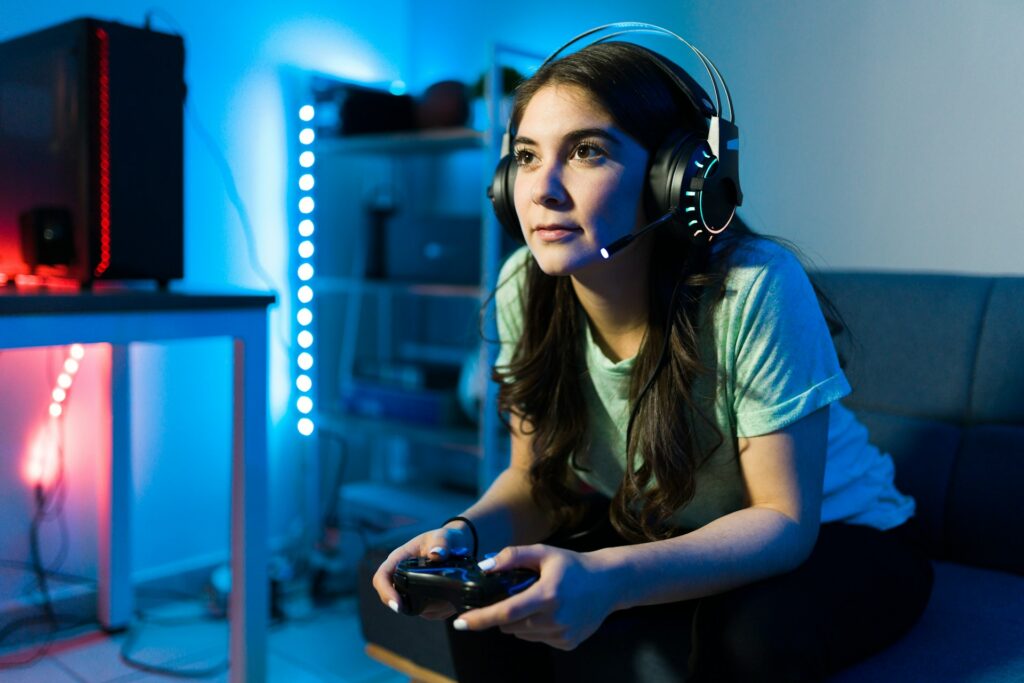
Video games often get mixed reviews. Some people see them as a distraction, while others view them as a valuable form of entertainment. However, modern research tells a more balanced story. Scientists, educators, and parents have started looking closely at how games affect the brain. As a result, many studies now show that certain types of gaming can support learning, problem-solving, and memory. In fact, the connection between gaming and education has become a growing area of interest, especially as schools explore new ways to engage students through cognitive skill development.
While not every game offers educational value, many encourage players to think critically, adapt quickly, and stay focused on goals. Moreover, digital play often creates interactive experiences that traditional learning methods cannot always provide. When used wisely, gaming can become a powerful tool that supports both academic growth and personal development.
Why Interactive Challenges Capture Attention
One reason video games are so effective is their ability to keep players engaged. Unlike passive forms of entertainment, games require constant participation. Players make decisions, solve problems, and react to changing situations in real time.
Because of this active involvement, the brain stays alert and focused. Furthermore, many games reward effort with immediate feedback. This system helps players understand mistakes and improve their performance. In educational settings, similar feedback loops can motivate students to stay engaged with learning tasks and build confidence over time.
How Mental Flexibility Improves Through Play
Many games place players in situations where they must adapt quickly. New obstacles appear, strategies change, and unexpected challenges emerge. As a result, players learn to adjust their thinking rather than rely on a single solution.
Researchers have found that this type of mental flexibility can transfer to everyday activities. For example, students often face changing assignments, group projects, and complex problems that require creative thinking. Because gaming encourages adaptability, it can help young people become more effective learners in school and beyond.
Strengthening Recall and Information Processing
Memory plays a major role in academic success. Students use it when studying facts, following instructions, and connecting new information to existing knowledge.
Many video games require players to remember maps, objectives, character abilities, and patterns. Consequently, these activities challenge the brain to store and retrieve information efficiently. Over time, regular engagement with these tasks may support stronger memory skills. Additionally, players often learn how to process information quickly, which can be valuable during classroom discussions and exams.
Building Persistence Through Gradual Progress
Success in gaming rarely happens instantly. Players usually encounter setbacks before achieving their goals. However, games encourage continued effort by presenting challenges in manageable steps.
This process teaches perseverance. Instead of viewing failure as an endpoint, players often see it as part of the journey toward improvement. Similarly, students who develop persistence are more likely to overcome academic obstacles. They learn that effort, practice, and patience can lead to meaningful progress. This lesson becomes especially valuable in demanding subjects such as mathematics and science.
Decision Making Under Changing Conditions
Fast-paced games often require players to make choices with limited information. They must evaluate risks, predict outcomes, and act quickly.
These experiences can strengthen judgment and strategic thinking. In fact, some researchers believe that gaming helps develop interactive learning methods that improve analytical skills. When students regularly practice evaluating situations and making informed decisions, they may become more confident problem-solvers in academic and real-world environments.
Furthermore, strategic games often encourage long-term planning. Players must think several steps ahead while balancing immediate needs and future goals. This approach mirrors many challenges students face when managing coursework, deadlines, and extracurricular activities.
Creating Social Connections in Virtual Spaces
Many modern games include cooperative features that encourage teamwork. Players communicate, share responsibilities, and work together to achieve common objectives.
These social interactions can help build valuable communication skills. For instance, team-based games often require clear instructions, active listening, and cooperation. As a result, participants learn how to contribute effectively within a group. These abilities can support classroom collaboration, workplace readiness, and stronger personal relationships.
At the same time, online gaming communities often connect people from different backgrounds. This exposure can encourage empathy, cultural awareness, and a broader understanding of diverse perspectives. When managed responsibly, these experiences can contribute to positive social growth.
Balancing Recreation With Academic Goals
Although gaming offers potential benefits, balance remains essential. Too much screen time can interfere with sleep, physical activity, and school responsibilities. Therefore, healthy habits play a crucial role in ensuring positive outcomes.
Parents and educators can support balance by setting clear expectations and encouraging a variety of activities. Students should prioritize homework, exercise, and family time while enjoying gaming in moderation. When these elements work together, gaming becomes part of a healthy lifestyle rather than a competing priority.
It is also helpful to choose games thoughtfully. Educational games, puzzle games, and strategy-based experiences often provide stronger learning opportunities than titles focused solely on repetitive actions. By selecting quality content, players can maximize both enjoyment and growth.
Looking Ahead at Future Possibilities
As technology continues to evolve, the relationship between gaming and learning will likely become even stronger. Developers are already creating experiences that blend entertainment with education, making lessons more engaging and interactive. Because of this trend, brain training games may play an increasingly important role in helping students develop valuable academic and life skills.
The key is not whether young people play games, but how they use them. When paired with healthy habits, thoughtful choices, and educational goals, video games can become more than a pastime. They can serve as powerful tools that encourage curiosity, strengthen thinking abilities, and support lifelong learning.