Sharper Reactions: How Video Games Build Faster Reflexes


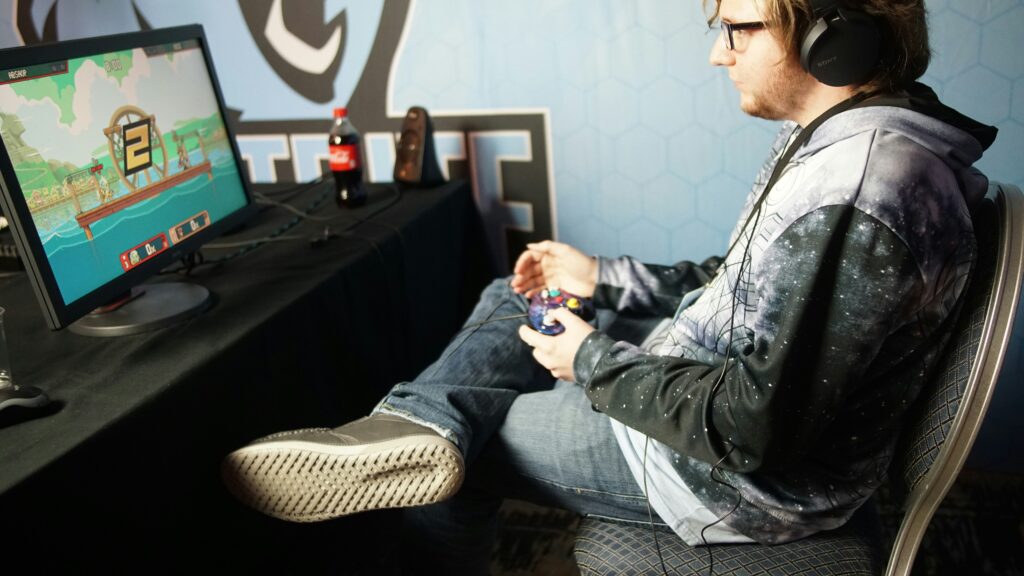
Video games are often seen as entertainment, but many titles also train players to think and react quickly. Fast-paced gameplay requires attention, timing, accuracy, and decision-making under pressure. These skills are especially important in action games, racing games, sports games, and competitive online titles.
When players respond to sudden movement, avoid danger, aim precisely, or adjust strategies in real time, they practice reflex-based thinking. Over time, this repeated mental and physical engagement can improve hand-eye coordination, focus, and reaction speed.
Why Reflexes Matter in Gaming
Reflexes play a major role in player performance. Strong reaction time helps players avoid attacks, land accurate shots, complete difficult moves, and respond to unexpected changes. In competitive gaming, even a small delay can determine whether a player wins or loses.
Good reflexes are not only about speed. They also involve awareness and control. A skilled player must recognize what is happening, choose the right response, and act quickly without panicking. This combination makes gaming a useful way to practice sharp decision-making.
Action Games and Quick Response Training
Action games are among the best choices for improving reflexes because they constantly place players in high-pressure situations. First-person shooters and combat adventure games require players to react to enemies, obstacles, and rapidly changing environments. These experiences help build faster visual processing and stronger coordination.
Players must also learn timing. Dodging, aiming, attacking, and defending all depend on reacting at the right moment. As players repeat these actions, they become more comfortable responding quickly and accurately.
Racing Games and Split-Second Decisions
Racing games are excellent for developing fast reflexes because they demand constant attention. Players must control speed, avoid crashes, handle sharp turns, and react to opponents in real time. One wrong move can affect the entire race, so quick thinking becomes essential.
These games also improve focus and anticipation. Players learn to read the track, predict movement, and adjust before problems occur. This helps train both reaction speed and forward-thinking skills.
Sports Games and Timing Control
Sports games require players to react quickly while also understanding strategy. In basketball, football, soccer, or tennis games, players must pass, shoot, defend, and move at the right time. These actions strengthen timing, coordination, and decision-making.
Unlike some action games, sports titles also teach rhythm and patience. Players cannot simply react randomly. They must wait for the right opening and make smart choices under pressure. This balance makes sports games useful for building controlled reflexes.
Fighting Games and Precision
Fighting games are built around reaction speed, timing, and accuracy. Players must block attacks, perform combos, and respond to an opponent’s movements within seconds. Titles in this genre reward practice, concentration, and fast execution.
These games also teach pattern recognition. A player who studies an opponent’s behavior can respond more effectively. This makes fighting games valuable for developing both physical reflexes and mental awareness.
Puzzle and Strategy Games for Mental Reflexes
Not all reflex training comes from fast movement. Puzzle and strategy games improve mental reflexes by forcing players to think quickly and adapt. Timed puzzles, tactical battles, and resource management challenges require fast analysis and smart decisions.
These games strengthen problem-solving under pressure. Players learn to evaluate options, avoid mistakes, and adjust plans when conditions change. While the pace may be slower than in action games, the mental demands can still sharpen response speed.
Top Video Game Types for Reflex Improvement
First-person shooters are useful for improving aim, awareness, and quick reactions. Racing games help with timing, control, and fast decision-making. Fighting games develop precision, pattern recognition, and hand-eye coordination.
Sports games improve timing, positioning, and controlled responses. Puzzle and strategy games strengthen mental speed and adaptability. Together, these genres offer a balanced way to train reflexes through play.
Building Skills Through Consistent Practice
Reflex improvement does not happen instantly. Players become sharper through regular practice, repetition, and focus. Each gaming session gives the brain and body another chance to respond faster and more accurately.
However, balance is important. Long gaming sessions without breaks can reduce focus and cause fatigue. Short, focused sessions are often more effective than hours of careless play. Rest, good posture, and moderation help keep gaming productive.
Gaming as More Than Entertainment
Video games can be more than a way to pass the time. When played thoughtfully, they can help improve reflexes, concentration, coordination, and decision-making. Many games challenge players to respond quickly while staying calm and accurate.
The best results come from choosing games that match the skill a player wants to improve. Action titles build speed, racing games sharpen control, sports games teach timing, and strategy games improve mental flexibility. With practice and balance, gaming can become a fun and effective way to enhance reflex-based skills.