How Volunteers Transform Natural Disaster Relief: A Real-World Case Study


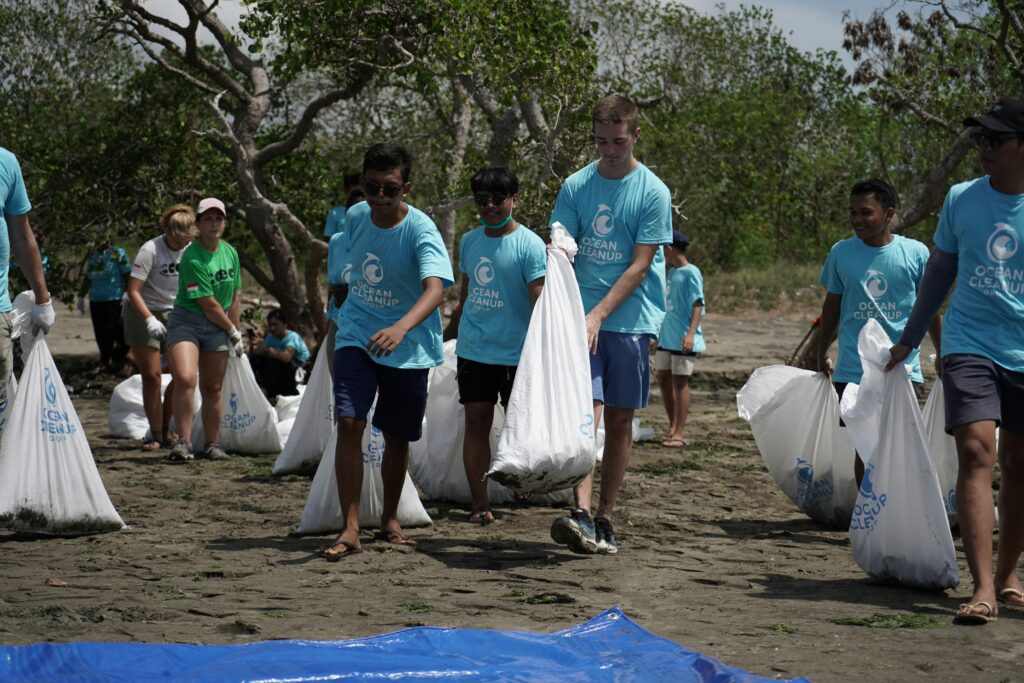
Natural disasters can strike without warning, leaving communities facing destruction, displacement, and uncertainty. Hurricanes, wildfires, floods, earthquakes, and tornadoes often overwhelm local emergency services, making outside support essential. While government agencies and humanitarian organizations play a major role in disaster response, volunteers frequently become the backbone of relief efforts. Their dedication, compassion, and willingness to act help communities recover more quickly and rebuild stronger than before.
This case study explores the role of volunteers in natural disaster relief, highlighting their contributions during every stage of disaster response. It also examines the challenges they face and the lasting impact they create for affected communities.
Understanding the Importance of Volunteer Support
When disasters occur, the immediate priority is saving lives and meeting basic human needs. Volunteers often assist professional responders by distributing food, water, clothing, and emergency supplies. Their presence expands the capacity of relief organizations, allowing help to reach more people in less time.
Beyond emergency assistance, volunteers provide emotional encouragement to survivors. Many disaster victims experience stress, grief, and uncertainty after losing homes or loved ones. A caring conversation or practical assistance from a volunteer can restore hope during an incredibly difficult period.
Case Study Background
A powerful hurricane struck a coastal region, causing severe flooding, infrastructure damage, and widespread power outages. Thousands of residents were forced to evacuate while emergency shelters quickly filled with displaced families. Government resources were stretched across multiple communities, increasing the need for volunteer assistance.
Within days, nonprofit organizations, local community groups, faith-based organizations, and independent volunteers coordinated relief operations. People from neighboring states traveled to assist with emergency response, cleanup projects, and long-term recovery efforts. Their combined efforts demonstrated how organized volunteer programs can strengthen disaster management.
Volunteers arrived with diverse skills and experiences. Some had medical backgrounds, while others specialized in construction, logistics, counseling, or food preparation—this wide range of abilities allowed relief organizations to address multiple needs simultaneously.
Emergency Response Activities
One of the first responsibilities assigned to volunteers involved distributing emergency supplies. Relief centers relied on volunteers to organize donated goods, prepare care packages, and deliver essential items to families unable to travel.
Volunteers also helped staff emergency shelters by registering new arrivals, preparing meals, maintaining clean facilities, and assisting children and older adults. Their support allowed professional emergency workers to focus on critical rescue operations and medical care.
Community Cleanup and Recovery
Once floodwaters receded, volunteers shifted their attention toward recovery. They removed debris from streets, cleared damaged homes, and helped restore public spaces. These cleanup activities reduced health risks while allowing residents to begin rebuilding their lives.
Construction volunteers repaired roofs, replaced damaged flooring, and assisted with structural repairs for families who lacked financial resources. Skilled tradespeople worked alongside residents, sharing knowledge and creating safer living conditions throughout the affected neighborhoods.
Supporting Emotional Recovery
Disasters affect emotional well-being as much as physical safety. Volunteers recognized that survivors needed encouragement as they navigated insurance claims, temporary housing, and uncertain futures.
Support teams organized children’s activities, community gatherings, and listening sessions where survivors could share their experiences. These simple efforts reduced feelings of isolation and strengthened community resilience during the recovery process.
The Value of Local Knowledge
Local volunteers brought valuable insight that outside responders often lacked. They understood neighborhood layouts, cultural traditions, and the specific needs of vulnerable populations. Their knowledge improved communication and helped relief organizations prioritize assistance effectively.
Residents also trusted familiar community members, making it easier to distribute information about shelter locations, medical services, and recovery programs. Strong local relationships increased cooperation between relief agencies and disaster survivors.
Training Improves Volunteer Effectiveness
Although compassion motivates many volunteers, proper training significantly improves disaster response. Orientation sessions teach safety procedures, communication skills, and emergency protocols that reduce confusion during high-pressure situations.
Training also prepares volunteers to recognize hazards such as contaminated water, unstable buildings, and electrical dangers. Better preparation protects both volunteers and the communities they serve while improving the overall quality of relief operations.
Challenges Volunteers Encounter
Disaster environments are physically demanding and emotionally exhausting. Volunteers often work long hours in extreme weather while witnessing heartbreaking situations. Without adequate rest and emotional support, burnout can become a serious concern.
Logistical challenges also affect volunteer operations. Transportation delays, supply shortages, and communication difficulties may limit efficiency. Strong coordination between organizations helps overcome these obstacles and ensures resources reach the people who need them most.
Partnerships Strengthen Relief Efforts
Successful disaster response depends on collaboration among government agencies, nonprofit organizations, businesses, and volunteers. Each group contributes unique resources that improve overall effectiveness.
Corporate sponsors frequently donate equipment, food, building materials, and financial assistance. Educational institutions, healthcare providers, and community organizations also provide volunteers and specialized expertise that expand disaster relief capabilities.
Long-Term Community Impact
The contributions of volunteers continue long after emergency response efforts end. Rebuilding homes, restoring schools, and supporting local businesses create lasting improvements that help communities recover economically and socially.
Volunteer experiences often inspire continued civic engagement. Many participants remain active in emergency preparedness programs, disaster response teams, and community service initiatives, creating stronger neighborhoods that are better prepared for future emergencies.
Lessons Learned from the Case Study
This case study demonstrates that volunteers are not simply additional workers. They are essential partners who strengthen every stage of disaster relief through compassion, adaptability, and teamwork.
Effective volunteer management requires planning, training, communication, and ongoing support. When organizations invest in these areas, volunteers become a powerful force that accelerates recovery while helping survivors regain stability and hope.
Natural disaster relief depends on cooperation among many organizations, but volunteers remain one of the most valuable resources available during times of crisis. Their willingness to serve, combined with practical skills and community commitment, allows relief efforts to reach more people and address a wider range of needs.
This case study illustrates how volunteers contribute far beyond immediate emergency response. They assist with recovery, emotional support, rebuilding, and long-term resilience. By investing in volunteer training, coordination, and community partnerships, disaster response organizations can strengthen future relief efforts and help affected communities recover with confidence.