High School Football Benefits That Help Students Grow and Succeed


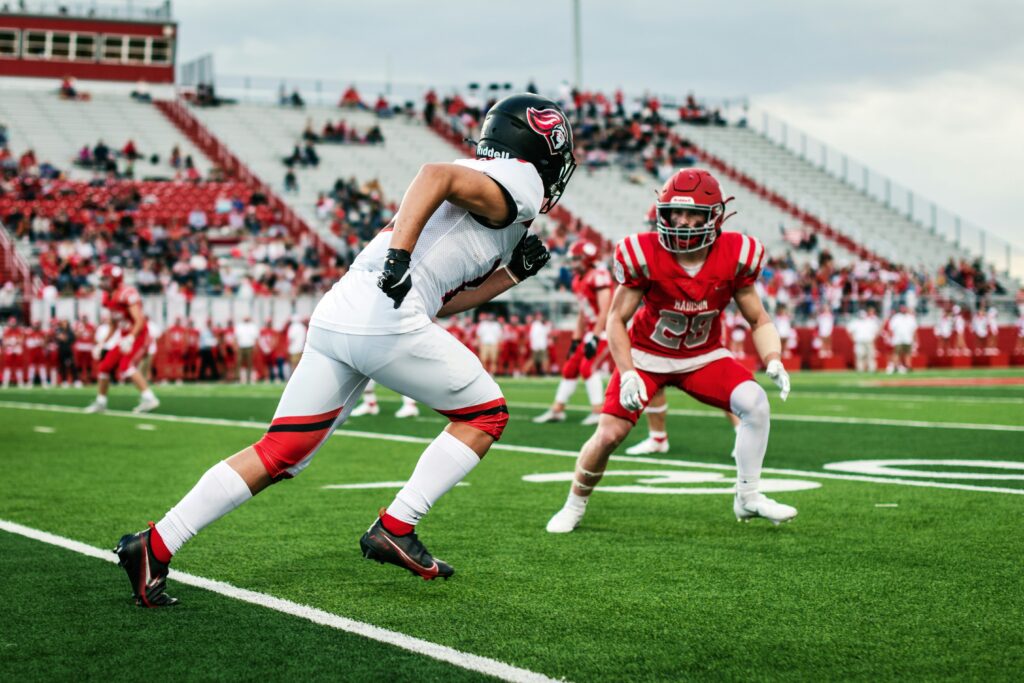
High school football gives students much more than a chance to compete on the field. The sport can become an important part of a young person’s school experience. Players train together, solve problems, face pressure, celebrate progress, and learn from mistakes. As a result, many of the most valuable high school football benefits reach far beyond athletic performance.
Students also learn skills that can help them in school and later in life. For example, football requires discipline, communication, teamwork, and responsibility. Players must manage their schedules while meeting academic and athletic expectations. They also learn how to respond when plans fail or results disappoint them. These experiences can support personal growth during an important stage of life.
Football can also connect students with their school and community. Teammates often develop close friendships because they work toward shared goals. Coaches can serve as mentors who encourage responsibility and effort. Therefore, the benefits of playing high school football can include physical, social, emotional, and practical growth.
High School Football Benefits Go Beyond the Game
People often measure football success through wins, points, and championships. However, students can gain valuable experiences even when their team does not finish a season with a winning record. Daily practice gives athletes a chance to develop habits that matter beyond competition.
Football also creates situations where students must make choices under pressure. They learn when to listen, when to communicate, and when to support someone else. Because the sport requires constant cooperation, young athletes can develop skills that transfer to classrooms, jobs, families, and communities.
Football Builds Discipline and Consistency
Football requires regular effort. Players cannot prepare for an entire season during one practice. Instead, they must attend training sessions, learn plays, improve techniques, and follow team expectations. As a result, athletes begin to understand how consistency leads to progress.
This lesson can influence other parts of student life. For instance, the same student who learns to practice a football skill each day may become more willing to study regularly for a difficult class. Discipline helps young people continue working even when motivation drops. As a result, it becomes one of the most useful benefits of high school football.
Students Learn the Value of Teamwork
Football depends on teamwork at nearly every moment. Each position has a purpose, and players must trust one another to complete their assignments. A successful play often requires several athletes to perform different tasks at the right time. As a result, students quickly learn that individual talent alone cannot carry an entire team.
Teamwork also teaches students to value different strengths. One athlete may lead through communication, while another may contribute through preparation or steady effort. Because everyone brings something different, players learn how to cooperate with many personalities. These skills can later help them during college projects and professional teamwork.
Football Creates Leadership Opportunities
Leadership can develop naturally within a football program. Some players become captains, but students do not need a title to lead. An athlete can set an example by arriving prepared, working hard, encouraging teammates, and remaining calm during difficult moments.
Football also teaches students that leadership involves responsibility. Strong leaders do not simply tell others what to do. Instead, they listen, support the group, and accept responsibility for their own choices. These experiences can help students become more confident when future leadership opportunities appear.
Football Teaches Responsibility and Accountability
Every football player has responsibilities that affect the team. If an athlete ignores an assignment or fails to prepare, teammates may experience the consequences. Therefore, football gives students a clear example of how individual choices affect other people.
Athletes also learn to take responsibility for mistakes. A missed tackle or wrong decision gives them a chance to examine what happened and improve. Instead of making excuses, players can focus on solutions. Over time, this habit can help students become more dependable in school, work, and personal relationships.
Young Athletes Develop Greater Confidence
Confidence often grows through achievement. A student may struggle with a skill at first but improve after weeks of practice. That progress can show the athlete that effort creates change. As a result, students may become more willing to take on difficult goals.
Preparation can also strengthen confidence. Players who understand their assignments and practice consistently usually feel more prepared for competition. The same principle applies outside sports. Students can prepare for exams, interviews, presentations, and future careers with a similar mindset.
Students Learn How to Handle Setbacks
No football season goes exactly as planned. Teams lose games, players make mistakes, and athletes sometimes struggle to reach personal goals. However, these difficult moments can teach important lessons about resilience.
After a disappointing performance, players usually return to practice and prepare again. They learn that one bad result doesn’t have to define their future. So football can teach students to recover, adjust, and keep working. This skill can become especially useful when they face challenges in college or their careers.
Football Can Improve Time Management
Student athletes often have busy schedules. They must attend classes, complete homework, practice, play games, rest, and spend time with family. As a result, they need to think carefully about how they use their time.
Football can encourage students to plan. For example, an athlete may complete an assignment before practice instead of waiting until late at night. Over time, these decisions can create better organizational habits. Strong time management skills can later help students balance college, work, family, and personal responsibilities.
Physical Activity Supports Student Development
Regular football training can help students stay physically active. Practices may include conditioning, strength exercises, movement drills, and sport-specific skills. As a result, athletes can improve strength, endurance, coordination, and overall fitness.
Football can also encourage students to think about healthy routines. Sleep, hydration, recovery, and nutrition can affect athletic performance. With proper guidance from coaches, families, and qualified professionals, young athletes can learn habits that support both performance and general well-being.