Find Your Center: A Practical Guide to Chakra Meditation for Inner Calm


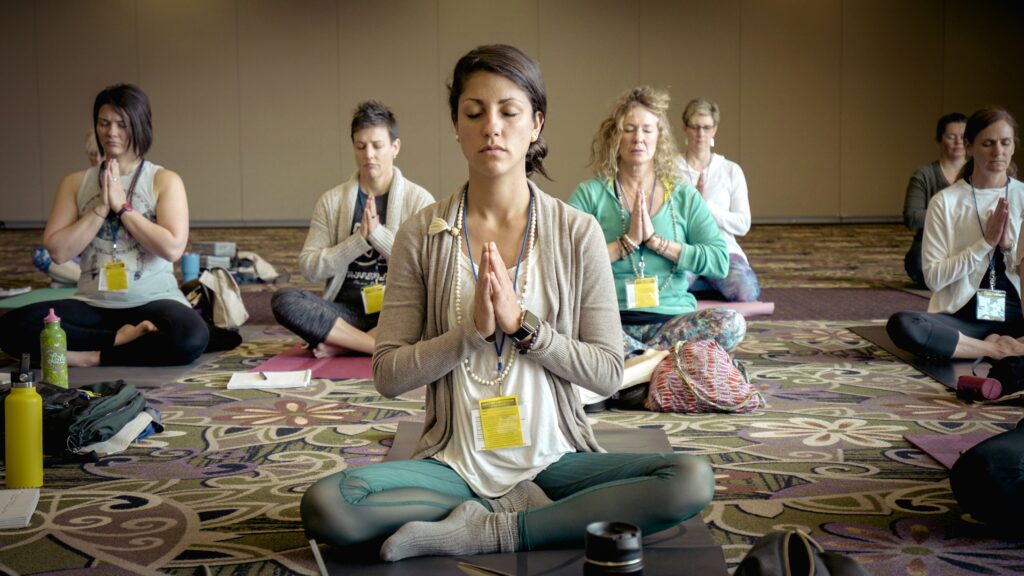
Modern life can make calm feel difficult to reach. Work, family duties, digital distractions, and constant responsibilities can keep the mind active from morning until night. Even during quiet moments, thoughts may continue racing. Meditation offers a simple way to create space between those thoughts. Chakra meditation takes this practice a step further by encouraging people to focus attention on different areas of the body while breathing slowly and becoming more aware of their emotions.
Chakra meditation comes from spiritual traditions that describe several energy centers within the body. You do not need deep knowledge of these traditions to explore the practice. Many people use chakra meditation as a structured method for relaxation, self-awareness, and reflection. By moving attention through the body and noticing physical or emotional sensations, you may become more present and less caught up in daily stress.
Understanding the Basic Idea Behind Chakra Meditation
The traditional chakra system describes seven main centers that run from the base of the spine to the top of the head. Each center is commonly linked with certain emotional, physical, or spiritual themes. For example, the lower centers are often associated with stability and confidence, while the upper centers are connected with communication, awareness, and reflection. During meditation, practitioners bring gentle attention to each area without trying to force a specific feeling.
It can help to think of chakra meditation as a guided body awareness practice. Instead of letting your attention move randomly, you follow a clear path through different parts of the body. This structure can make meditation easier for beginners who struggle to sit quietly without a focal point. The goal is not to achieve a perfect spiritual state. The goal is to slow down, observe your experience, and create a greater sense of calm.
Creating a Quiet Space for Your Practice
A comfortable environment can make chakra meditation easier to enjoy. Choose a place where you are unlikely to be interrupted for several minutes. You can sit on a chair, meditation cushion, or the floor. Keep your back comfortable rather than forcing yourself into a rigid position. Soft lighting may help you relax, but you do not need candles, special decorations, or expensive meditation equipment to begin.
Before starting, silence unnecessary notifications and permit yourself to disconnect for a short period. Even five or ten minutes can be useful when practiced consistently. Close your eyes if that feels comfortable, or keep them slightly open while looking at one quiet point. Take several slow breaths. Allow your shoulders to relax and notice where your body touches the chair or floor. This simple preparation signals that it is time to turn your attention inward.
Beginning With Slow and Steady Breathing
Breathing gives your mind something simple to follow. Begin by inhaling gently through your nose. Notice your chest and abdomen moving as air enters your body. Exhale slowly without trying to control every second of the breath. Continue at a natural rhythm. If your thoughts drift toward work, worries, or unfinished tasks, notice what happened and return your attention to your breathing without criticizing yourself.
Slow breathing can help create a sense of stability before you begin focusing on the chakra areas. You may choose to spend one or two minutes observing the breath first. During chakra meditation, continue using the breath as an anchor. Whenever you feel distracted, bring your awareness back to the feeling of inhaling and exhaling. Meditation becomes easier when you stop treating distraction as failure and start viewing each return to the present as part of the practice.
Moving Your Awareness Through the Chakra Centers
Start by bringing attention to the base of your spine. Notice any sensations without judging them. You might feel warmth, pressure, tension, or nothing noticeable at all. After several breaths, slowly move your attention upward toward the lower abdomen, upper abdomen, chest, throat, forehead, and finally the top of your head. Spend a comfortable amount of time with each area instead of rushing through the process.
Some people like to imagine a soft light around each chakra location. Others prefer to focus only on physical sensations and breathing. Both approaches can work. Visualization is optional, and there is no need to see bright colors or experience dramatic sensations. The practice is valuable because it trains your attention to stay connected to the present moment. A calm and patient approach usually works better than trying to make something special happen.
Using Chakra Meditation to Support Emotional Awareness
Meditation often gives emotions more room to become noticeable. When the mind becomes quieter, you may recognize feelings that were hidden beneath a busy routine. You might notice frustration, sadness, excitement, tension, or uncertainty. Chakra meditation can provide a structured way to observe these emotions without reacting to them immediately. Simply recognizing a feeling may help you understand what has been affecting your mood.
Try to approach emotions with curiosity rather than judgment. You do not need to explain or solve everything in a single meditation session. If a difficult thought appears, acknowledge it and return to your breath and body awareness. Over time, this habit may help you respond more thoughtfully during stressful situations. Meditation does not remove every challenge, but it can create a small pause between an emotional reaction and the decision about what to do next.
Building a Consistent Meditation Routine
Consistency matters more than long meditation sessions. A short daily practice can be easier to maintain than an ambitious routine that quickly becomes overwhelming. You might begin with ten minutes in the morning or evening. Choose a time that fits naturally into your schedule. Practicing after waking, before bed, or after finishing work can help make meditation feel connected to an existing daily habit.
Avoid judging your progress based on how calm you feel during every session. Some days your mind may feel peaceful, while other days thoughts may appear constantly. Both experiences are normal. The value comes from repeatedly returning your attention to the present. As the practice becomes familiar, you may gradually increase your meditation time. A realistic routine is more useful than trying to follow a perfect schedule that creates additional pressure.
Bringing the Calm of Meditation Into Daily Life
The benefits of chakra meditation do not need to end when the session finishes. You can carry the same awareness into ordinary moments throughout the day. Before answering a stressful email, take one slow breath. During a busy afternoon, notice whether your shoulders are tense. When speaking with someone, give the conversation your full attention instead of thinking about several other tasks. These small habits strengthen the awareness you develop during meditation.
Chakra meditation can become a personal ritual for slowing down and reconnecting with yourself. You do not need to follow complicated rules or believe that every session will produce a dramatic change. Approach the practice with patience and curiosity. With regular practice, quiet breathing, body awareness, and focused attention may help you create more peaceful moments. Inner calm is rarely something you find all at once. It often grows through simple choices repeated each day.