How School Sports Help Young Athletes Sharpen Their Skills


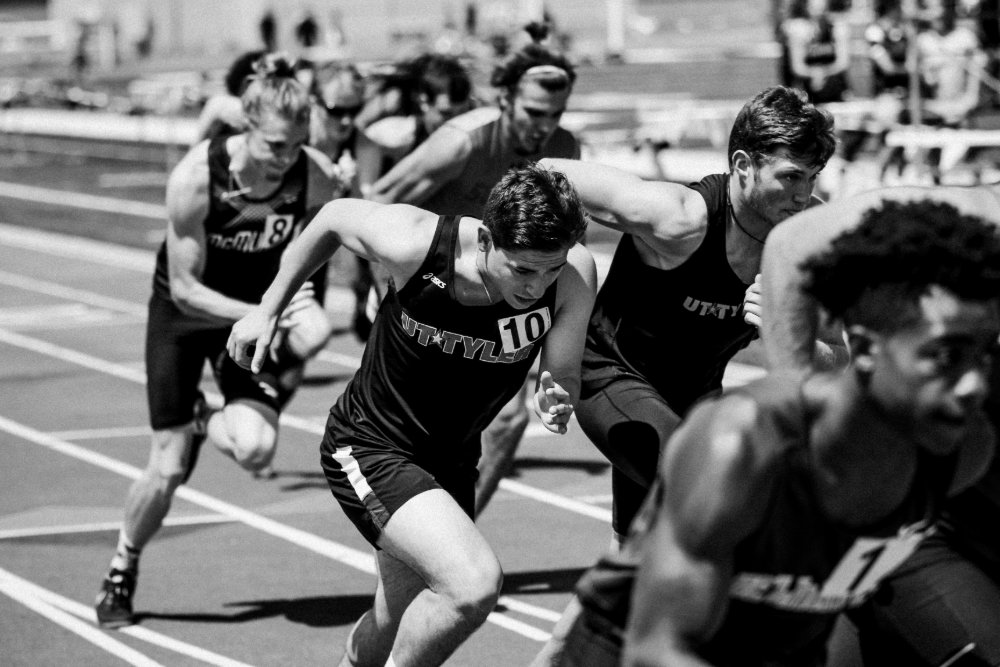
School sports provide students with valuable opportunities to discover their abilities and improve their athletic performance. Regular participation helps young athletes develop strength, speed, coordination, and confidence. It also encourages them to establish healthy routines and embrace new challenges. Through organized practices and competitions, students learn how preparation and dedication contribute to athletic success.
Joining a school team offers benefits beyond physical development. Students receive guidance from coaches, build relationships with teammates, and learn from competitive experiences. Moreover, they develop important habits that support personal growth. Whether students participate in football, basketball, soccer, or other sports, school athletics can create a strong foundation for continued improvement.
Building a Strong Foundation of Athletic Skills
School sports introduce students to fundamental movements that support athletic performance. Coaches teach proper running techniques, balance, footwork, and body control. Regular practice helps students become more comfortable with these movements. Additionally, learning basic techniques early allows young athletes to approach more challenging activities with greater confidence.
A strong foundation also helps students develop skills that transfer between sports. For example, improved coordination can benefit both basketball and football players. Similarly, effective footwork supports performance in soccer and tennis. As students strengthen their basic abilities, they become more adaptable and capable of handling different athletic challenges.
Improving Physical Strength and Endurance
Regular school team participation encourages students to engage in consistent physical activity. Conditioning exercises help athletes strengthen their muscles and improve cardiovascular fitness. Furthermore, properly supervised training allows students to gradually increase their physical capabilities while developing healthy exercise habits.
Greater strength and endurance help athletes maintain consistent performance throughout practices and competitions. Students learn how to manage their energy and recover between demanding activities. Consequently, they can approach physical challenges with better preparation. These improvements also support everyday activities and encourage students to maintain active lifestyles outside school.
Refining Techniques Through Regular Practice
Consistent practice plays an important role in athletic development. School teams provide structured opportunities for students to repeat movements and improve their techniques. Coaches demonstrate proper methods and help athletes recognize common mistakes. As a result, students gradually develop greater accuracy and control.
Regular training also helps athletes understand the importance of patience. Learning a new skill often requires multiple attempts and constructive feedback. However, students who remain committed to improvement can make meaningful progress over time. This experience encourages them to appreciate consistent effort instead of expecting immediate success.
Learning From Experienced Coaches
Coaches play a valuable role in helping students reach their athletic potential. They provide instruction, monitor performance, and offer guidance based on individual needs. Moreover, experienced coaches help students recognize their strengths while identifying areas that require additional attention.
Supportive coaching also encourages athletes to develop realistic goals. Rather than focusing entirely on winning, effective coaches emphasize learning, improvement, and responsible participation. Consequently, students gain confidence in their abilities and develop a better understanding of how to improve their performance safely and consistently.
Enhancing Speed, Balance, and Agility
Many school sports require athletes to move quickly and respond to changing situations. Speed exercises help students improve acceleration, while balance activities support body control. Additionally, agility drills teach athletes how to change direction efficiently and maintain stability during movement.
These abilities become particularly useful during competitive games. Athletes must react to opponents, adjust their positions, and perform movements accurately. Therefore, developing speed and agility helps students become more versatile competitors. Improved movement skills can also support participation in recreational activities and other forms of exercise.
Developing Better Game Awareness
Successful athletes need more than physical strength and technical abilities. They must also understand game situations and make appropriate decisions. Through school team participation, students learn how to recognize opportunities, anticipate movements, and respond effectively to changing circumstances.
Coaches often use practice games and performance reviews to strengthen these abilities. Students can examine previous mistakes and discover more effective approaches. Furthermore, improved game awareness helps athletes understand how their individual actions influence team performance. This knowledge allows them to make more thoughtful decisions during competitions.
Strengthening Teamwork and Communication
School sports teach students how to cooperate with others while pursuing shared objectives. Athletes must communicate clearly, respect different responsibilities, and support their teammates. Moreover, regular interaction helps students develop trust and understand the importance of working together.
Effective communication also helps athletes avoid confusion during competitions. Players learn to share information, listen carefully, and respond appropriately to instructions. Consequently, they become more reliable teammates. These communication skills can also benefit students in classroom projects, community activities, and future professional environments.
Building Confidence Through Competitive Experience
School competitions allow students to apply their training in real game situations. These experiences help athletes evaluate their abilities and recognize their progress. Additionally, achieving personal milestones can strengthen confidence and encourage students to pursue more challenging goals.
Not every competition produces a favorable result. However, disappointing performances can provide valuable learning opportunities. Students who receive constructive support learn to manage setbacks and continue improving. As a result, competitive experiences can strengthen emotional resilience and help young athletes develop a healthier attitude toward success and failure.
Encouraging Discipline and Healthy Training Habits
School team participation requires students to attend practices, follow schedules, and manage their responsibilities. These expectations encourage athletes to develop discipline and maintain consistent routines. Furthermore, balancing sports with academic commitments helps students understand the importance of organization and effective time management.
Healthy training habits also contribute to sustainable athletic development: adequate sleep, balanced nutrition, hydration, and appropriate rest support physical recovery. Therefore, coaches and schools should prioritize athlete safety and encourage students to report injuries promptly. A responsible training environment helps students improve their skills without overlooking their physical well-being.
Preparing Young Athletes for Future Opportunities
The skills students develop through school sports can support future athletic opportunities. Improved techniques, physical fitness, and competitive experience may help students pursue advanced training or college athletics. Additionally, participation allows young athletes to discover new interests and establish realistic goals for their future.
Ultimately, school team participation provides a valuable foundation for lifelong athletic development. Students gain practical skills while learning the importance of discipline, cooperation, and perseverance. Furthermore, supportive coaching and balanced training help athletes improve at their own pace. These experiences encourage young individuals to remain physically active, embrace personal growth, and pursue future opportunities with confidence.